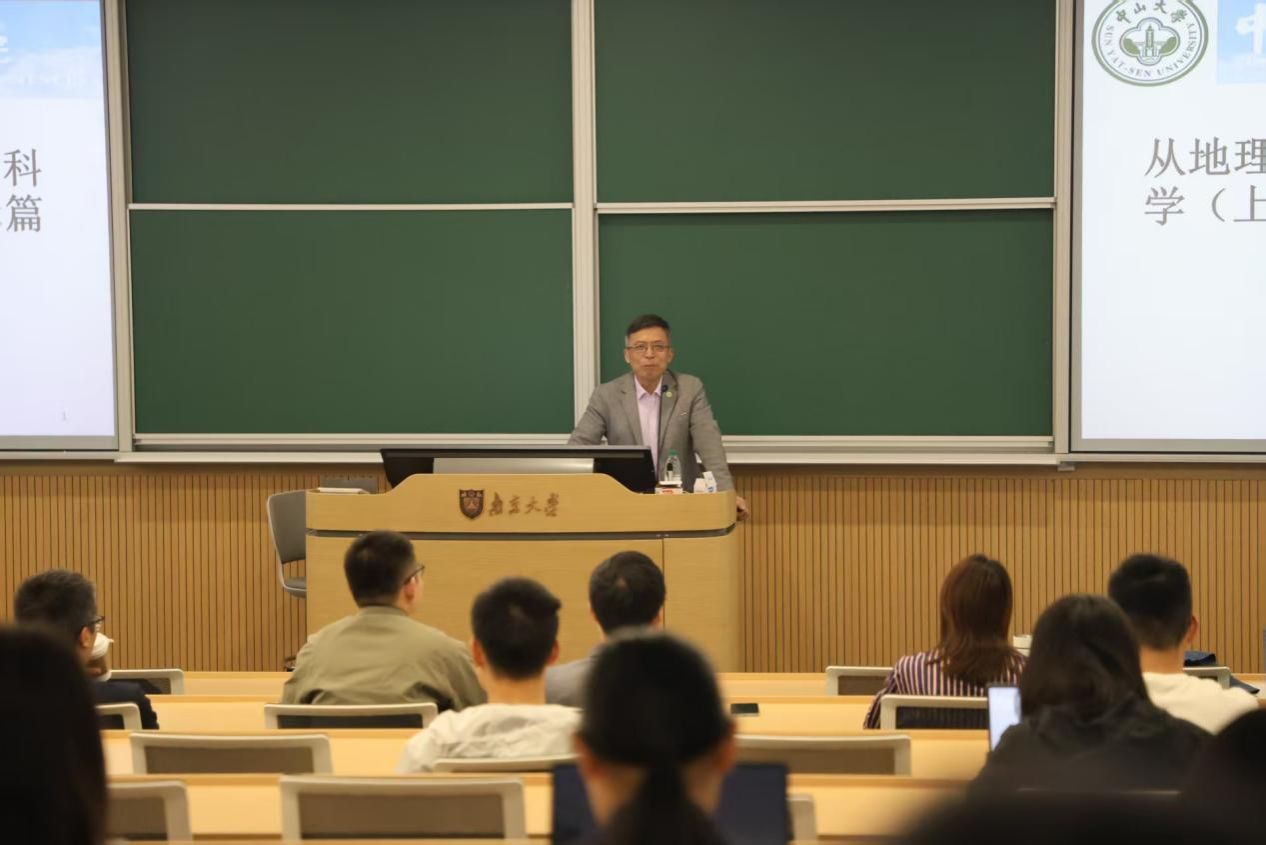
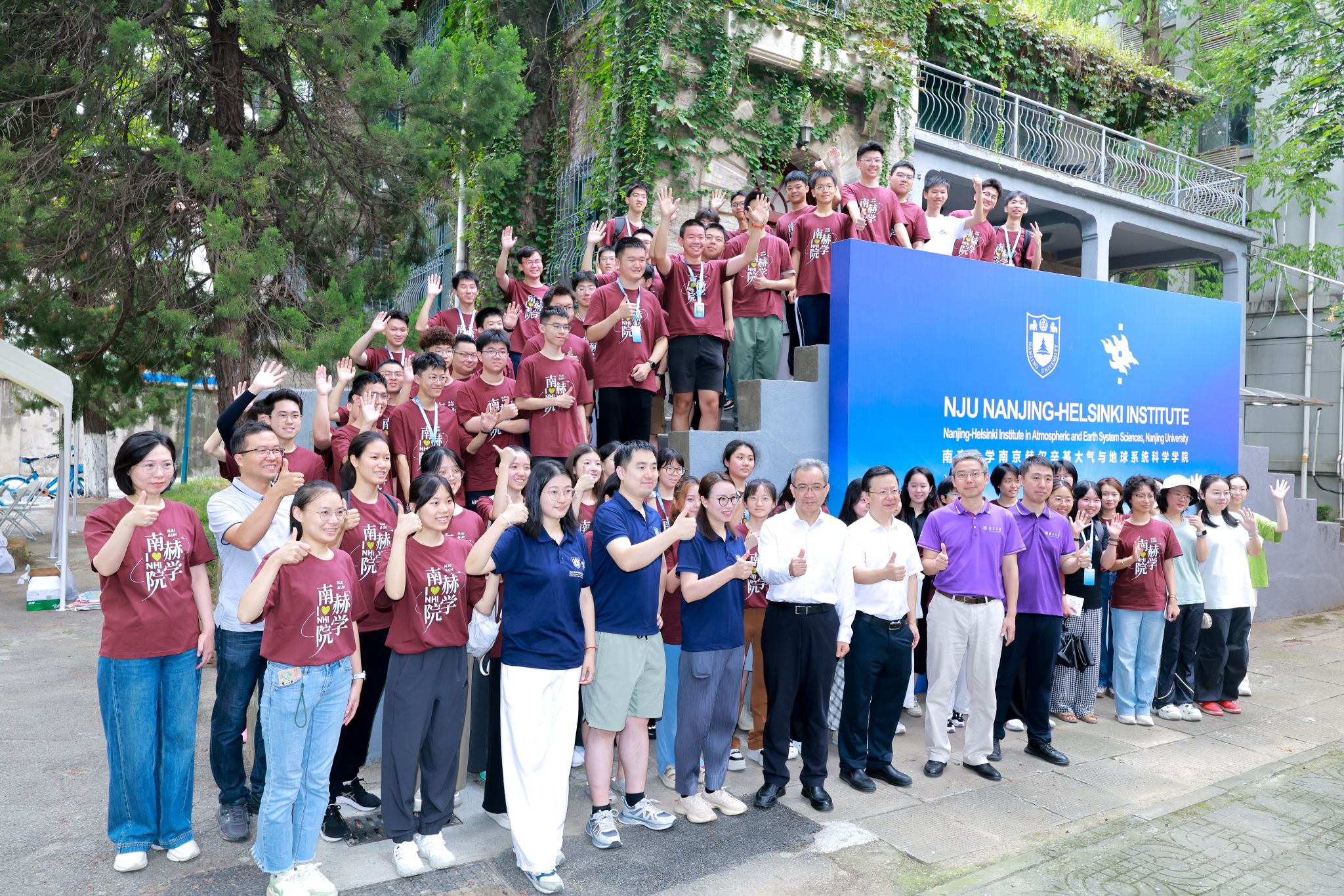
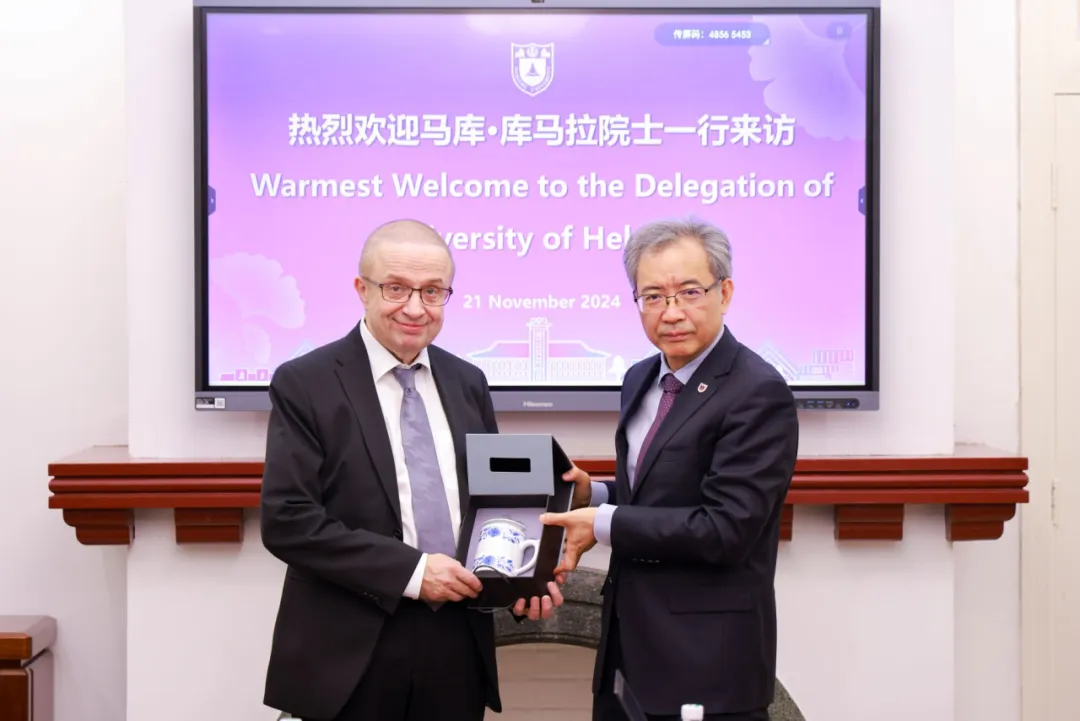
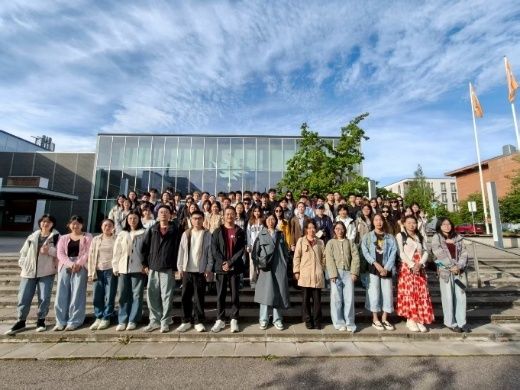
The "China-Finland Global Excursion on Atmospheric and Earth System in Helsinki " for undergraduates, and "Research Launch Initiative" for postgraduates were successfully carried out in Helsinki between August 10 to 17, 2025. The program was led by faculty members from the Nanjing-Helsinki Institute in Atmospheric and Earth System Sciences (NHI), involved 63 students from the NHI and the School of Atmospheric Sciences. It aimed to deepen students’ understanding of global climate change and atmospheric environmental issues through field investigations
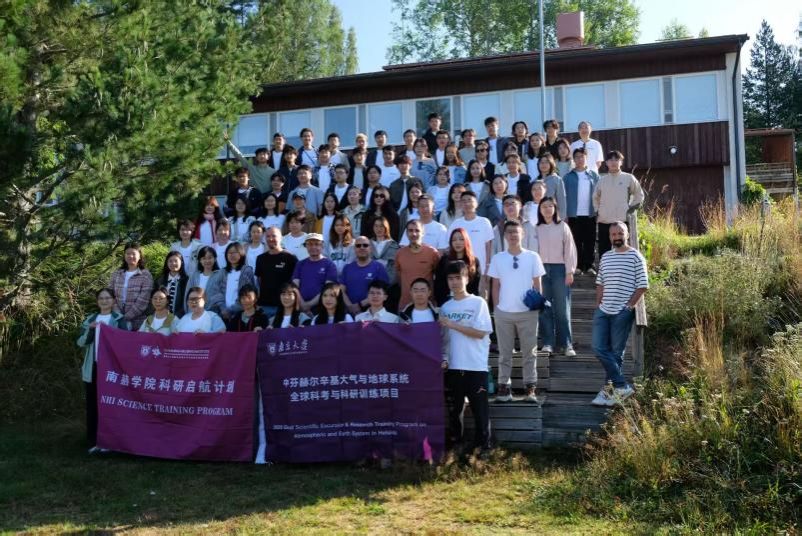
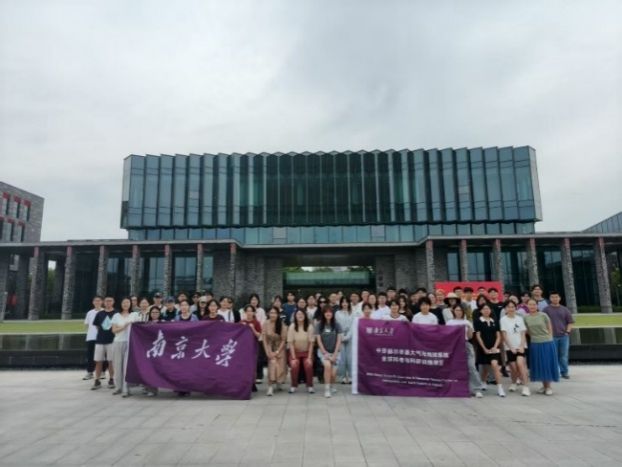
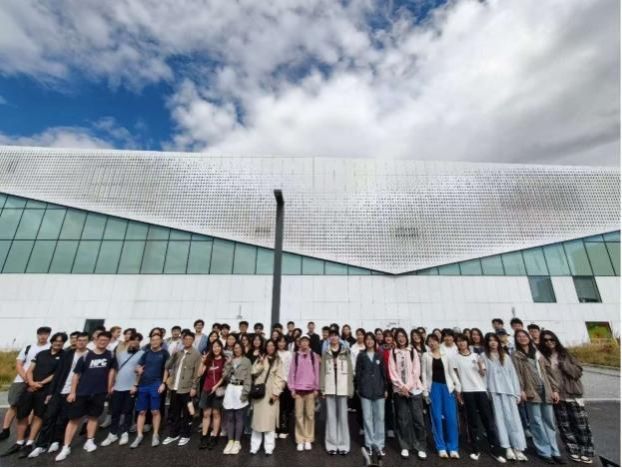
SMEAR II Station: A Benchmark for Global Atmosphere-Ecosystem Monitoring
On August 11, the excursion team arrived at the SMEAR II station. Operated by the Institute for Atmospheric and Earth System Research (INAR) of the University of Helsinki, SMEAR II is one of the earliest and most representative platforms in the world dedicated to the long-term, continuous observation of atmosphere-ecosystem interactions. Since its establishment in 1995, the station has consistently monitored the interactive processes of multiple parameters, including meteorological elements, greenhouse gas fluxes, aerosol properties, and forest volatile organic compounds, providing crucial data support for global climate change research.
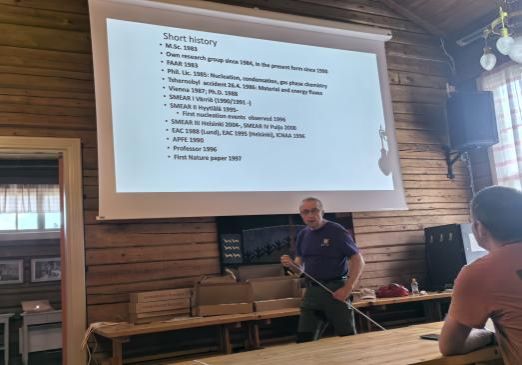
That evening, the excursion team held its first group presentation session. Each research group engaged in discussions focusing on comparative analyses of atmospheric ecosystems between Northern Europe and East Asia. Their research directions covered various topics such as aerosol properties, spatiotemporal variations of ozone, and the classification of new particle formation events. Professor Markku Kulmala from the University of Helsinki provided professional feedback on the presentations and offered suggestions regarding the scientific value and application prospects of the observational data.
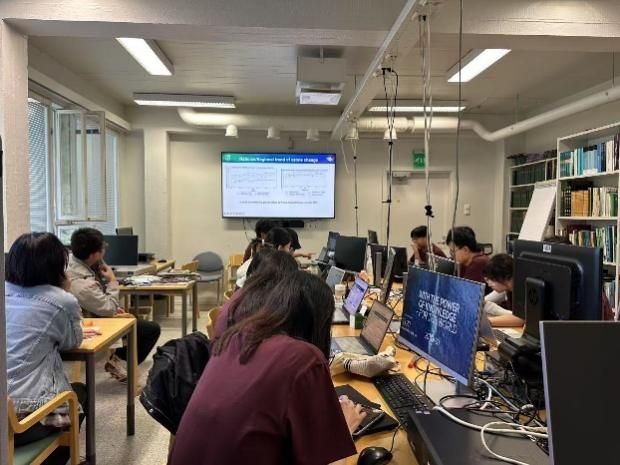
In-Depth Observation: From Theory to Data Collection
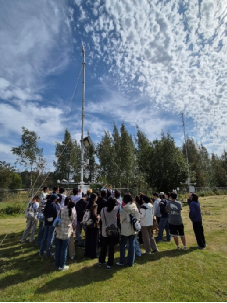
On August 12 and 13, the excursion team visited the measurement tower and surrounding forest monitoring area of the SMEAR II station in groups. At the 100-meter-high observation tower, students observed the real-time data collection process of key parameters such as greenhouse gas fluxes and aerosol particle size distribution up close. Researchers provided detailed explanations on the role of Nordic boreal forests in the carbon cycle and climate feedback, as well as the pivotal position of the SMEAR II station within major European research networks such as the Integrated Carbon Observation System (ICOS) and the Aerosol, Clouds and Trace Gases Research Infrastructure (ACTRIS).
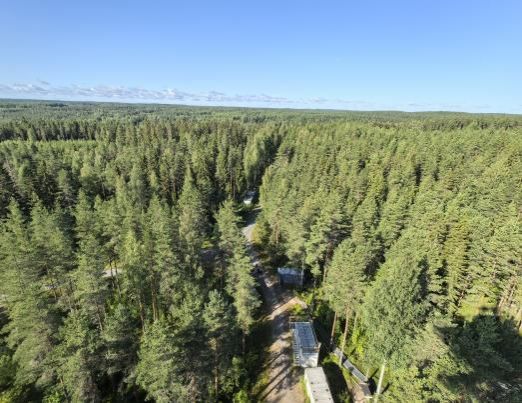
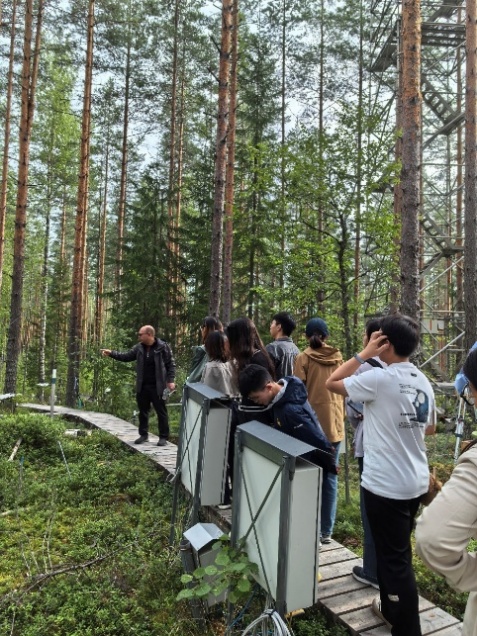
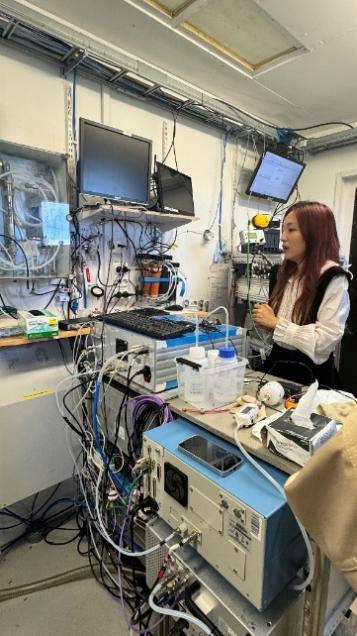
On the evening of the 12th and the afternoon of the 13th, Professor Markku Kulmala and Professor Douglas Worsnop delivered lectures respectively. Professor Worsnop systematically elaborated on aerosol particle size distribution, chemical composition, and their climate effects, while Professor Kulmala focused on analyzing the long-term observational achievements of the SMEAR II station and its contributions to global climate change research. During the Q&A session, students engaged in in-depth discussions with both professors on topics such as the influence of anthropogenic emissions and natural sources on atmospheric nucleation processes.
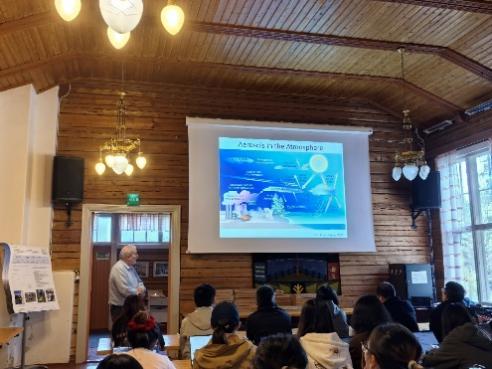
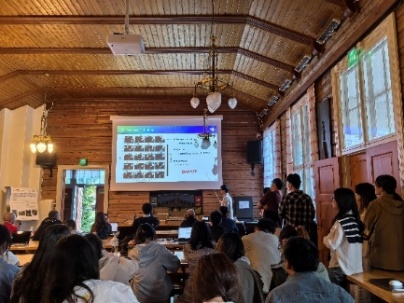
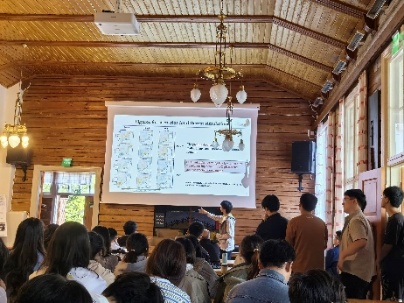
On the evening of August 13, after two days of intensive group work, the students presented their final research reports at the station. The ten research groups presented one by one, providing detailed updates on the progress and outcomes of their respective research projects. These presentations integrated the preparatory work conducted before the excursion and the collaborative efforts undertaken since arriving at the station. Following each presentation, Professor Kulmala and other researchers offered professional feedback and suggestions. The students expressed their intention to refine their research projects based on this feedback, further enhancing their scientific research capabilities.
Expanding Horizons: From Research to Applications
On August 15, the team visited the Institute for Atmospheric and Earth System Research (INAR) at the University of Helsinki's Kumpula Campus and the Finnish Meteorological Institute (FMI). At INAR, researchers introduced the latest advancements in atmospheric physics and Earth system science, showcasing the laboratory's state-of-the-art observational equipment.
At FMI, meteorological experts provided detailed explanations of Finland's meteorological monitoring system, climate prediction models, and collaborative observation mechanisms for extreme weather events in Europe. FMI emphasized that modern weather forecasting heavily relies on international data-sharing initiatives, such as satellite data from EUMETSAT and the global exchange network under the World Meteorological Organization (WMO) framework. These collaborative mechanisms form the scientific foundation for accurate forecasting.
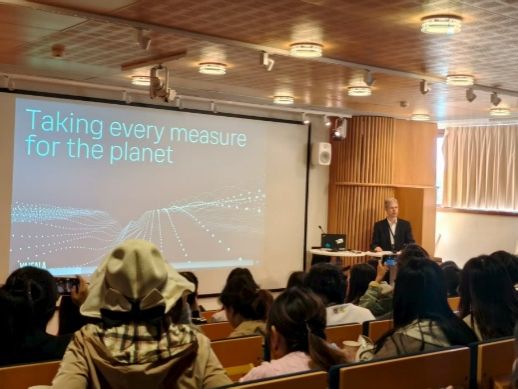
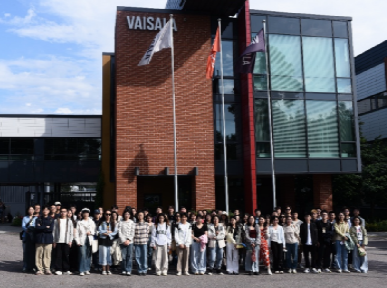
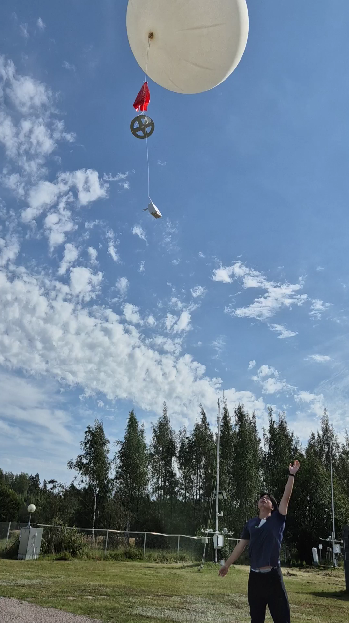
Subsequently, the team visited Vaisala, a world-renowned manufacturer of meteorological equipment, and learned about the R&D and application of its devices. During the on-site demonstration, a radiosonde balloon carrying sensors ascended into the air and transmitted atmospheric profile data in real time—a vivid practical operation of meteorological observation technologies.
Closing Remarks: Global Collaboration in Addressing Climate Challenges
This excursion not only deepened the students' understanding of cutting-edge research in atmospheric science but also allowed them to gain firsthand experience with the importance of international cooperation in tackling climate change. From the long-term observations at the SMEAR II station to FMI's global data network and Vaisala's technological innovations, the principle that "science knows no borders" was consistently evident throughout.
As one participating student remarked, "Climate issues know no boundaries, and scientific exploration has no endpoint. This expedition has shown us that real solutions come from the collective efforts of scientists worldwide." In the future, students will continue to engage in atmospheric and Earth system research with a rigorous scientific approach, contributing the wisdom and strength of Chinese youth to addressing global climate change.





 中
中